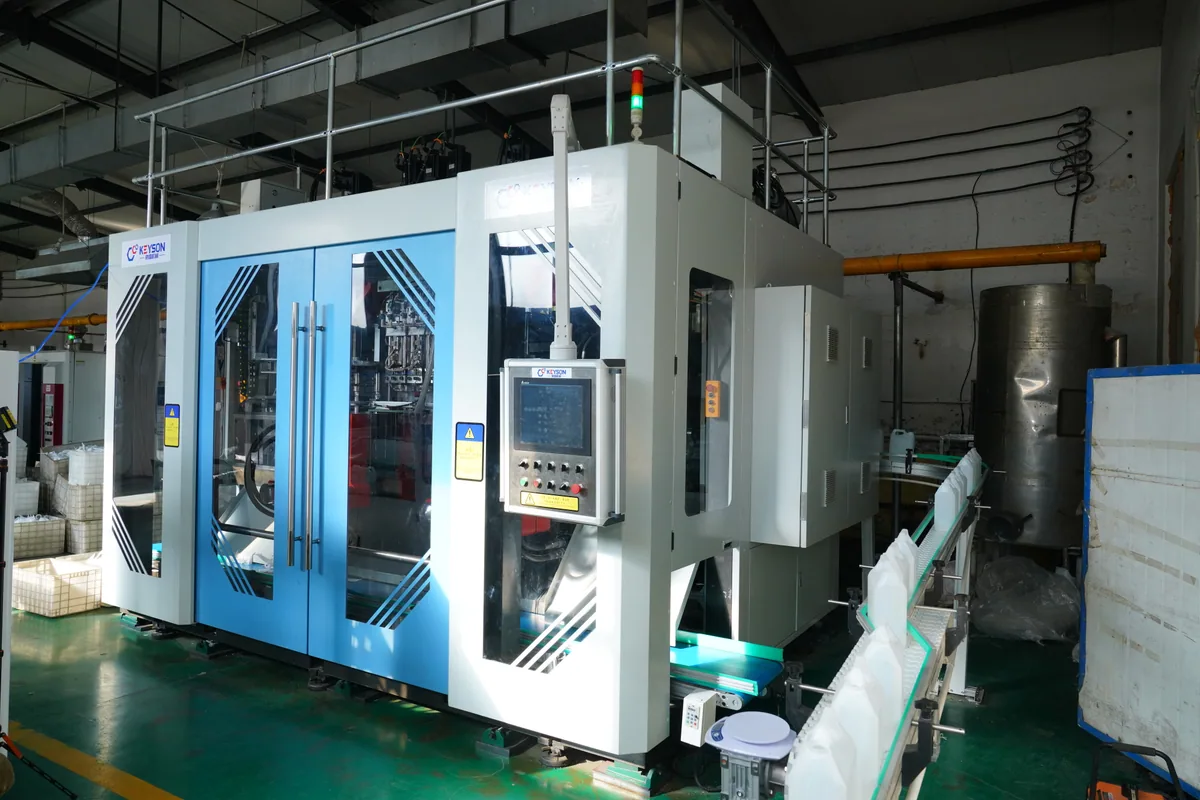
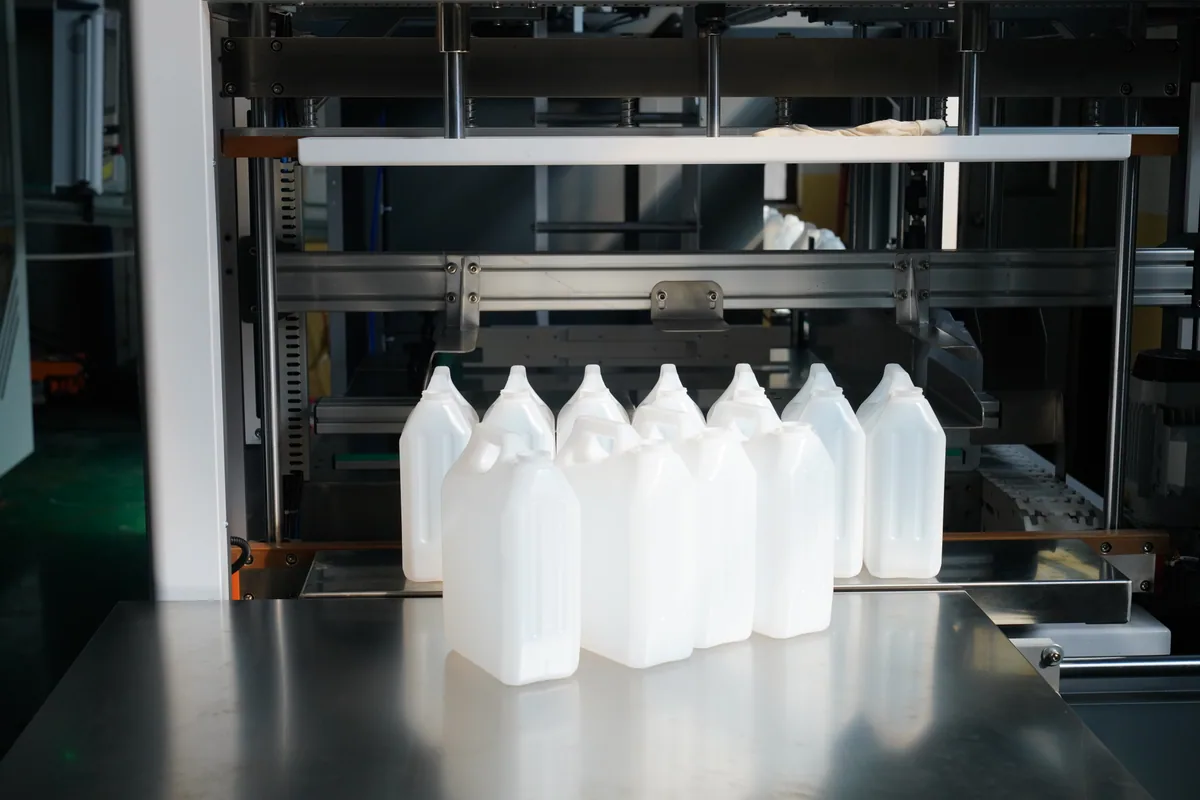
A packaging project begins with the package and how it will be used. The container drawing is only one part of that brief: closures, decoration, handling and the planned product range also affect the equipment discussion. Sharing these requirements together helps the project team assess a proposed production arrangement.
Describe the complete package
Prepare container drawings and physical samples where available. Identify nominal capacity, external dimensions, target weight, material and the neck or closure interface. Include the dimensions that must be checked and any requirements related to appearance, labeling or handling.
Where the container must work with a specific cap, pump or other closure, provide the matching component information. Keep container and closure requirements together when reviewing tooling and trial samples.
Plan for the product mix
List the sizes and formats expected to share the production line. Estimate the production volume for each format and discuss how frequently changes are expected. Ask suppliers to identify the tooling, adjustment and handling changes included in their proposal rather than assuming one arrangement covers the entire range.
Connect machine selection with downstream handling
Describe what happens after molding. Record the planned inspection, collection, decoration, packing and storage steps, together with the party responsible for each stage. Check the proposed layout against the available floor space and the movement of materials and finished goods.
Compare proposals using one product brief
- Use the same drawings, materials and acceptance checks for each quotation.
- State the required output for each important product format.
- Confirm which molds and auxiliary devices are included.
- List unresolved interfaces before approving the layout.
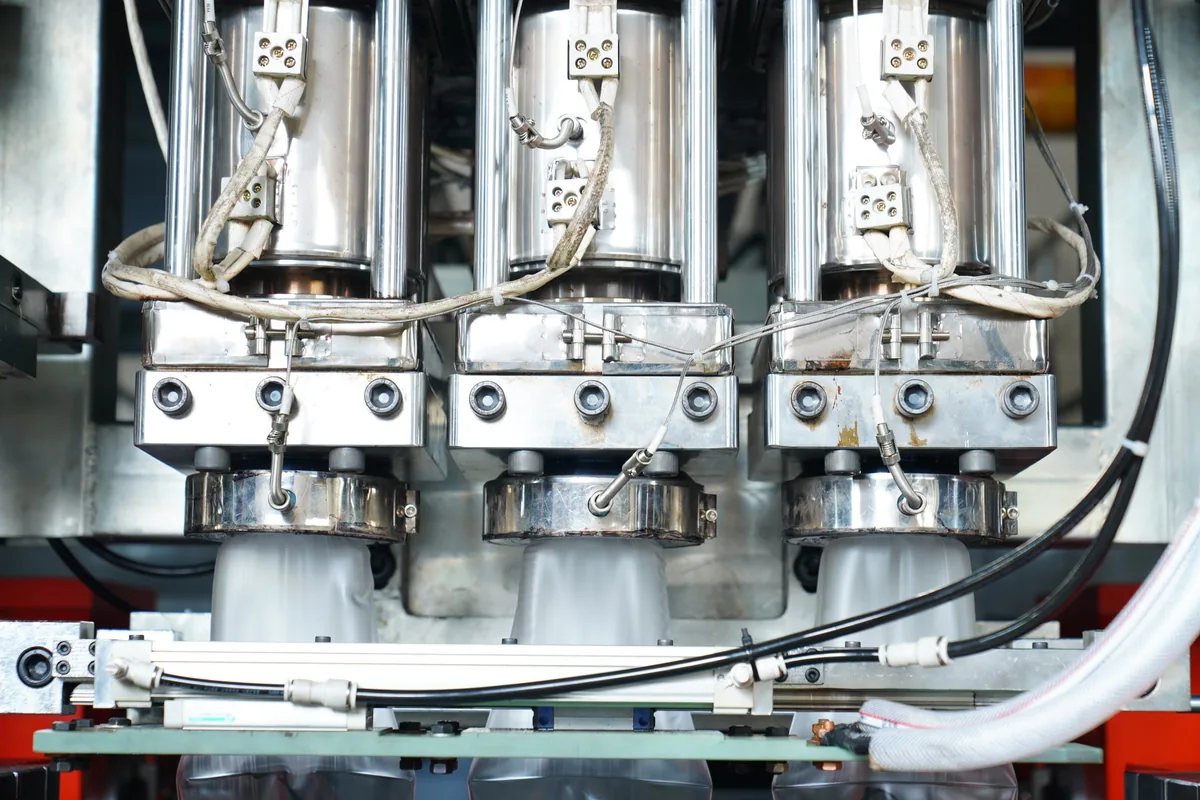
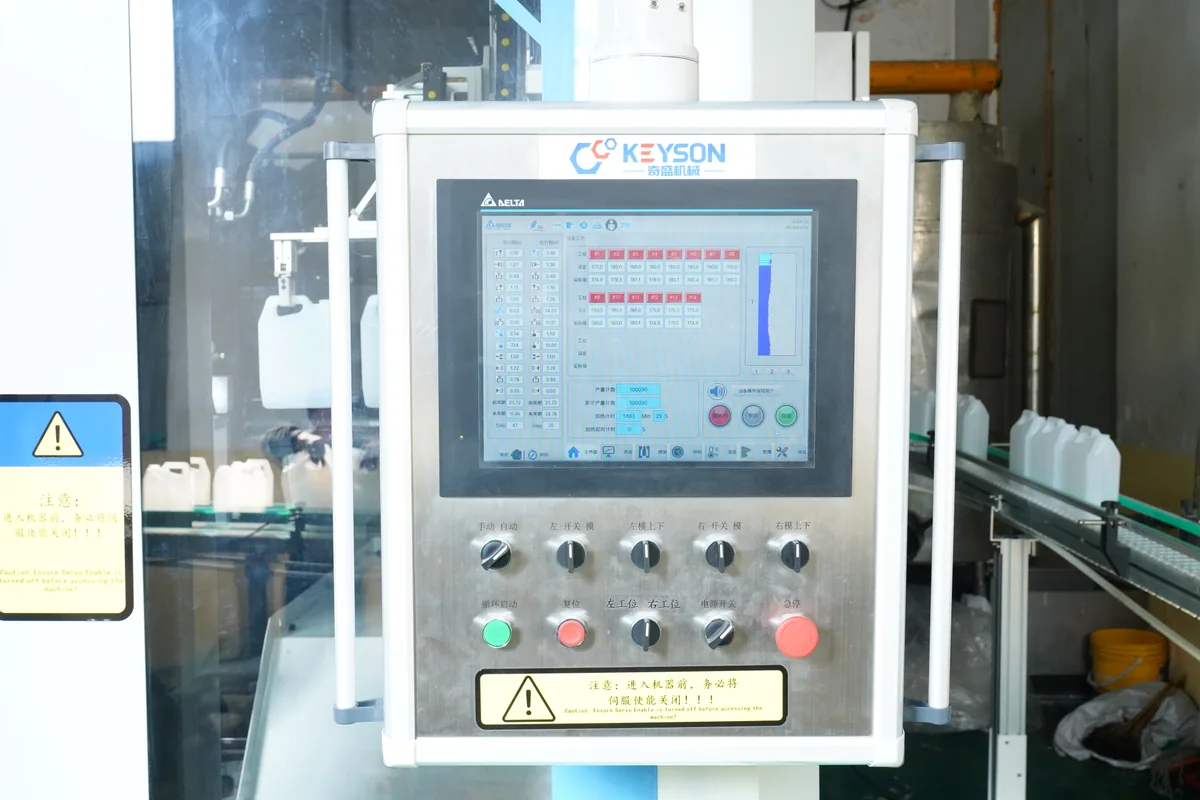
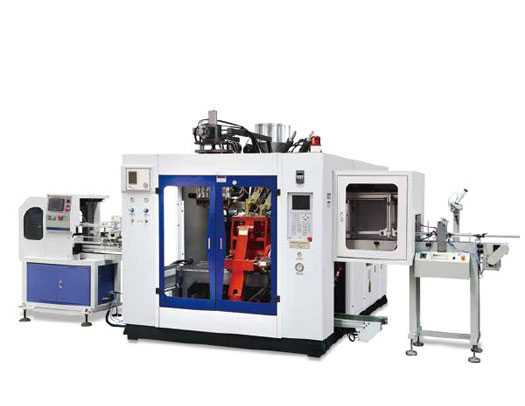
For container projects, compare the blow molding range and PET bottle equipment. Review the mold range alongside the selected processing equipment.